
Natural Coco Fiber
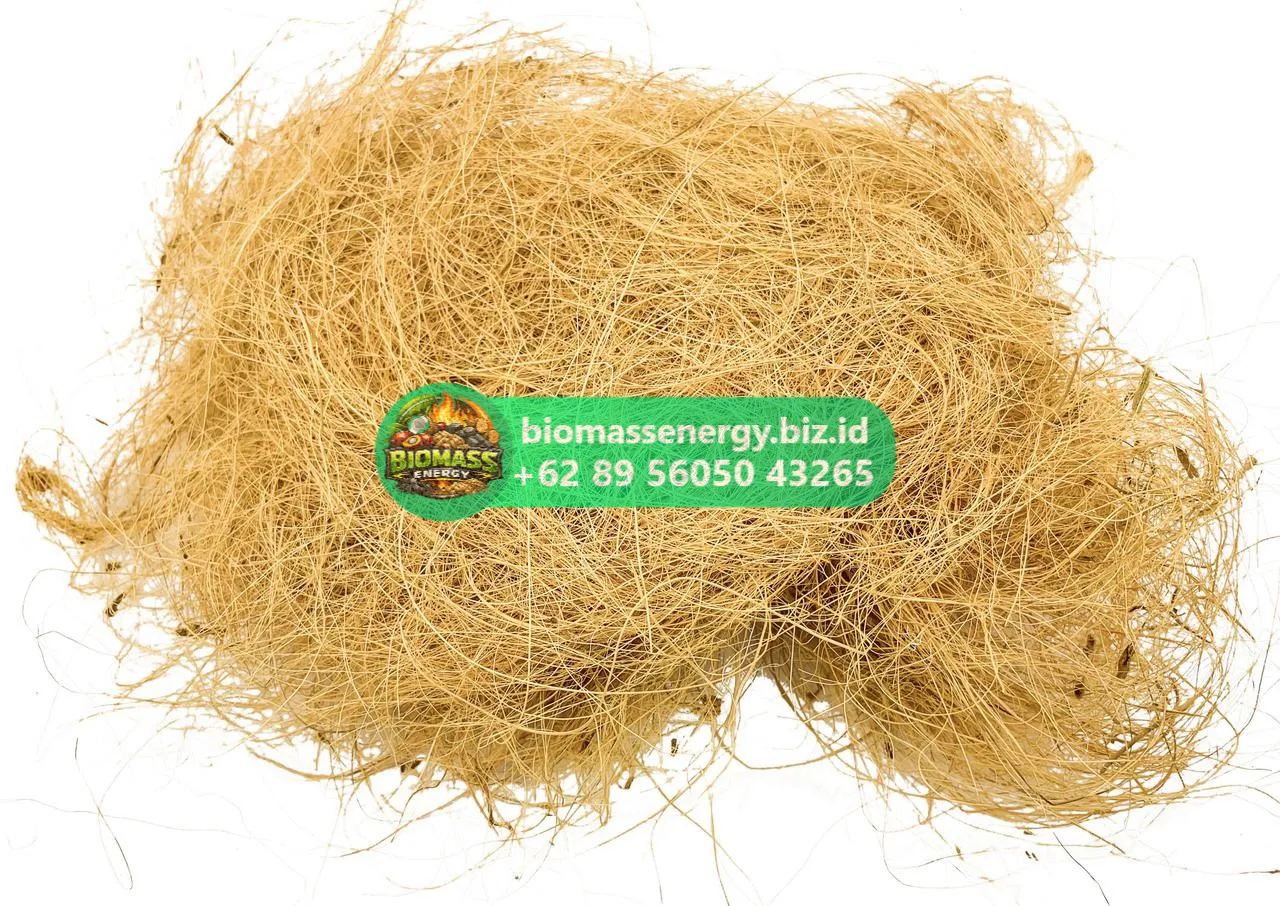
100% natural, resilient, and eco-friendly brown coconut fiber extracted from mature husks. Meticulously combed, cleaned, and baled for industrial mattress manufacturing, erosion control, and automotive padding.
High-Tensile Natural Fiber for Global Industries
Extracted from high-quality tropical coconut husks, offering exceptional durability, natural resistance to moisture, and high lignin content.
Superior Resilience & Biodegradability
Coco fiber (coir) is celebrated for its toughness, longevity, and resistance to rotting and microbial degradation. Unlike synthetic polymer fibers, natural coco fiber provides structural breathability and eco-friendly performance across multiple industrial sectors.
- ✓ High Tensile Strength: Strong natural fibers capable of withstanding heavy pressure and tension.
- ✓ Low Impurity & Dust: Mechanically cleaned and screened to minimize pith content and foreign debris.
- ✓ Moisture & Rot Resistant: Contains high natural lignin, making it highly durable against seawater and damp environments.
Major Industrial Applications
Natural coco fibers are widely utilized for bulk manufacturing and ecological engineering:
- Bedding & Upholstery: Rubberized coir pads for premium mattresses and furniture seating.
- Geotextiles & Erosion Control: Eco-friendly blankets and nets for slope stabilization and revegetation.
- Automotive Industry: Molded acoustic insulation panels and seat cushioning.
Coco Fiber Technical Specifications
Standard export physical properties and grading metrics for global manufacturing partners.
| Parameter Property | Standard Export Specification | Industrial Impact & Value |
|---|---|---|
| Material Type | 100% Brown Coconut Fiber (Long / Decorticated) | Ensures high flexibility, length consistency, and structural strength. |
| Moisture Content | 12% - 15% (Max) | Dried to prevent fungal growth and container humidity during shipping. |
| Impurity / Pith Content | < 3% to 5% (Max) | Cleaned thoroughly to ensure pure fiber consistency for processing. |
| Color | Natural Golden Brown to Brown | Indicates properly matured coconut husks without chemical bleaching. |
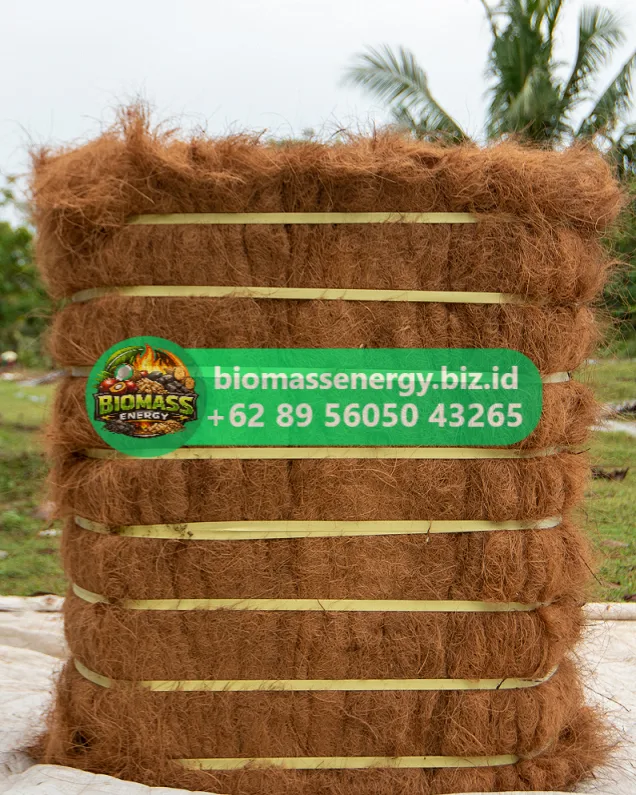
| Bale Dimensions & Weight | Hydraulic Pressed Bales (~100kg - 120kg per bale) | Optimized high-density compression for maximum container loading efficiency. |
| Container Capacity | ~18 - 22 Metric Tons per 40ft High Cube Container | Maximizes sea freight payload economics for international trade. |
Coco Fiber Inventory Gallery
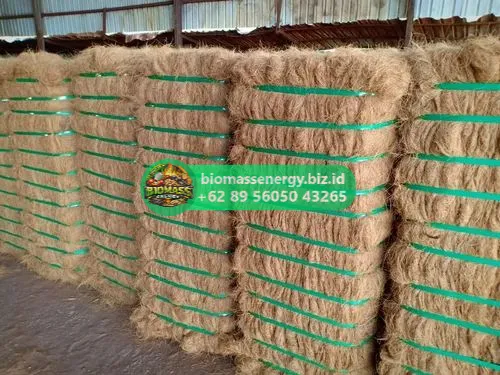
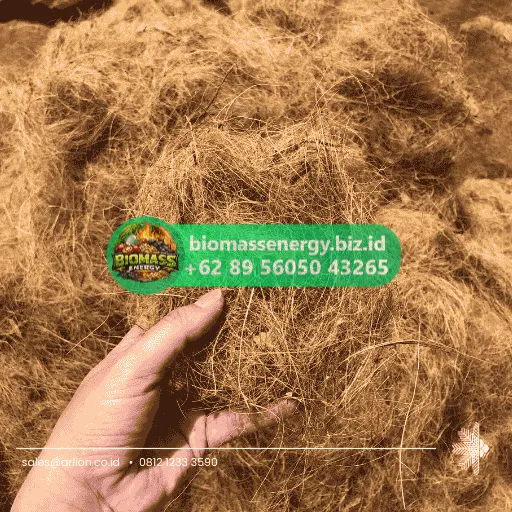
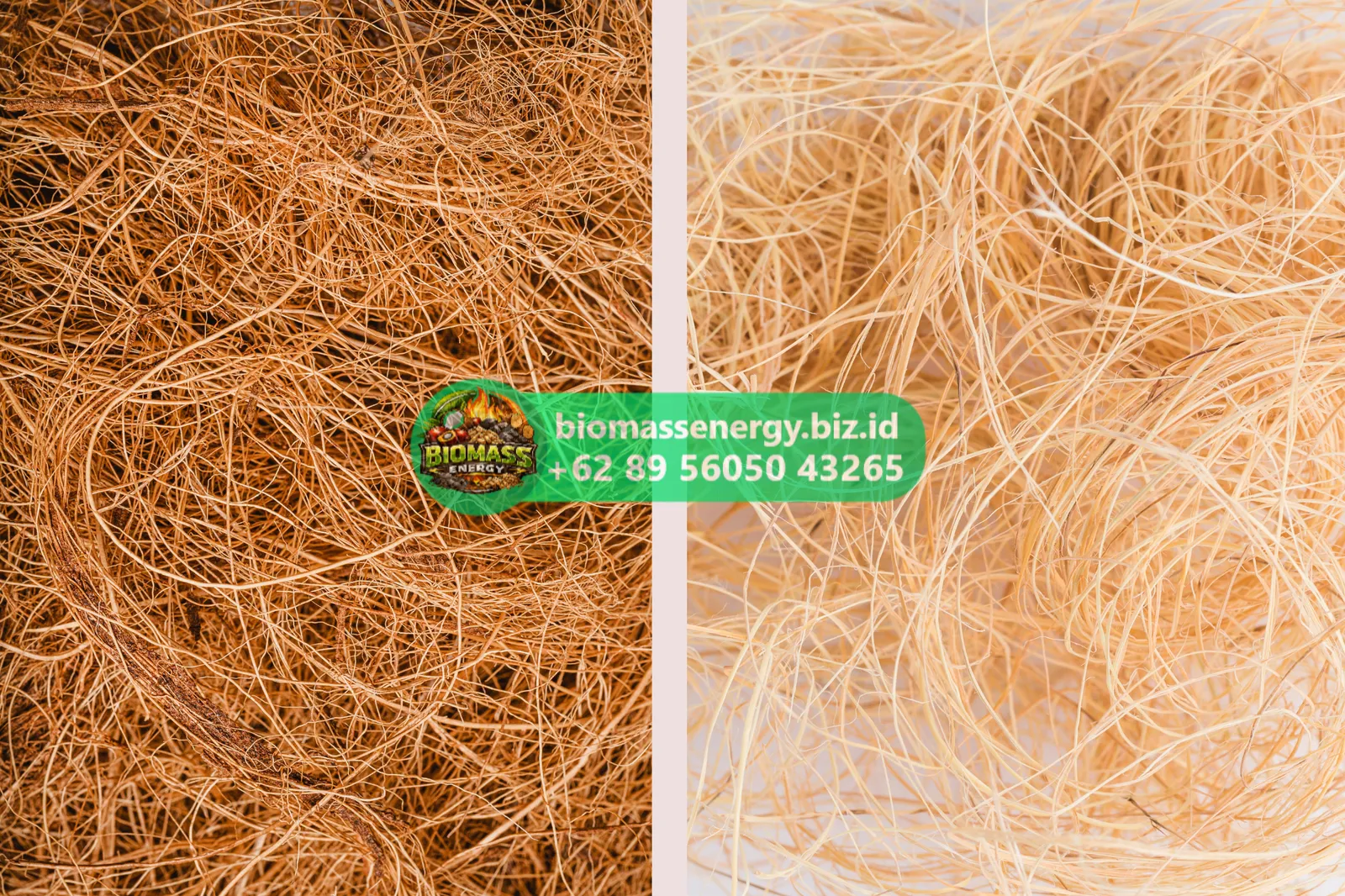
Visual inspection of our clean pressed coco fiber bales, processing lines, and container stuffing.
Frequently Asked Questions: Natural Coco Fiber
Key technical answers for mattress manufacturers, importers, and industrial buyers.
Coco Fiber is the fibrous organic material extracted from the outer husk used for textiles, mattresses, and cushions. Coco Shells are the hard woody inner endocarps, while Coco Charcoal is the carbonized product made by burning those shells in low oxygen.
Our coco fibers are mechanically combed to extract dust and residual pith, then hydraulically pressed into tight, strapping-secured rectangular bales to optimize space and ensure clean handling upon arrival.
We strictly maintain moisture levels between 12% and 15% through sun-drying and mechanical drying before baling. Containers are lined and loaded under dry conditions to prevent condensation during long maritime transits.
We supply standard brown decorticated coco fiber, with custom options available for low-pith content (<3%) tailored specifically for high-end rubberized mattress production and automotive acoustic insulation.
Due to high-density hydraulic baling, a standard 40-foot High Cube (40ft HC) container accommodates approximately 18 to 22 metric tons of coco fiber, ensuring efficient shipping costs.