
Raw Coconut Shell
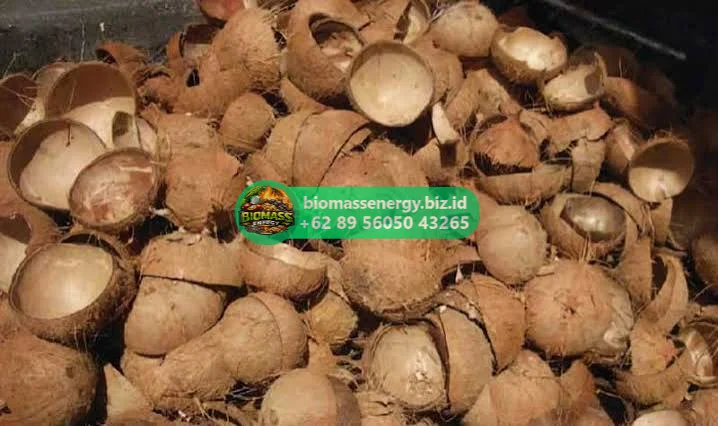
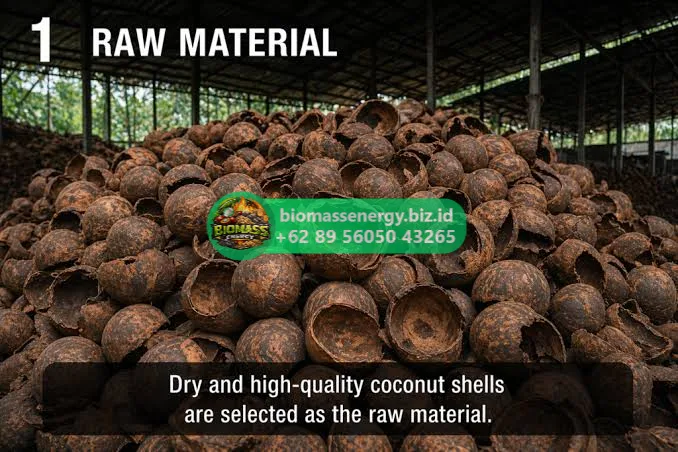
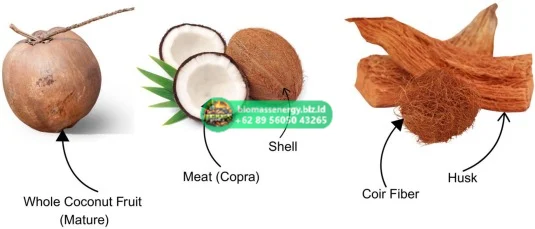
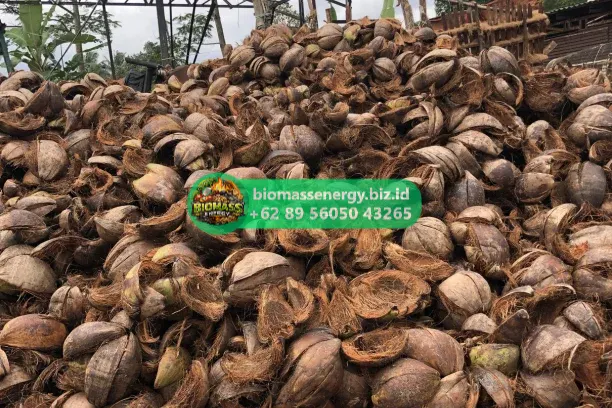
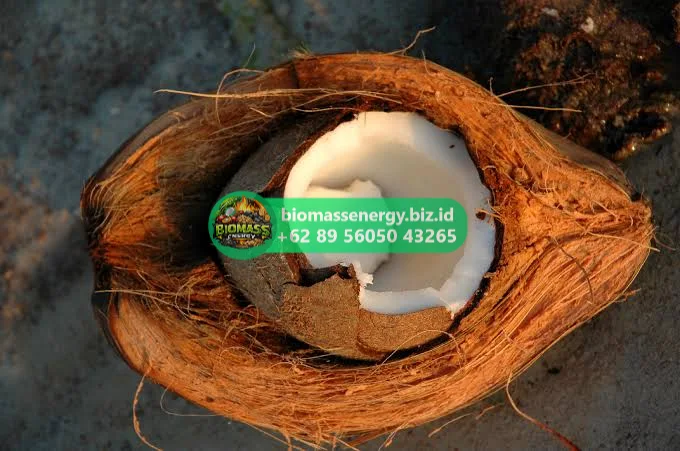
100% natural, hard-packed mature coconut shells cleanly separated from coir and pith, engineered as the premier solid biomass feedstock for industrial pyrolysis, charcoal kilns, and activated carbon manufacturing plants.
The Foundation of High-Carbon Biomass Energy
Sourced directly from agricultural processing centers, our raw coconut shells provide exceptional mechanical strength and purity for industrial carbonization.
Natural Hardness & High Volatile Density
Unlike wood chips or general agricultural waste, raw coconut shells possess a dense cellular lignocellulosic structure. When processed in low-oxygen retorts or kilns, they yield superior hard carbon blocks with minimal mineral ash and high structural durability.
- ✓ High Mechanical Strength: Thick, rigid shell walls resist crumbling during transport and mechanical feeding.
- ✓ Low Impurity & Dirt: Cleaned and screened free of sand, mud, and excessive coir fiber to protect processing equipment.
- ✓ Controlled Moisture: Sun-dried and sheltered storage to maintain optimal moisture brackets for immediate furnace input.
Industrial Processing Applications
Raw coconut shells are the vital organic starting material utilized across specialized heavy industries:
- Pyrolysis Feedstock: Thermal carbonization into raw coconut shell charcoal blocks.
- Activated Carbon Synthesis: Base substrate for steam-activated filtration media.
- Heavy Biomass Boiler Fuel: Direct high-calorific alternative to fossil coal in industrial boilers.
Raw Coconut Shell Specifications
Standard export physical properties and grading metrics for industrial manufacturing partners.
| Parameter Property | Standard Export Specification | Industrial Impact & Value |
|---|---|---|
| Material Base | 100% Mature Coconut Shells (Cocos nucifera) | Ensures highest natural lignin and structural carbon density. |
| Moisture Content | 10% - 15% (Max) | Pre-conditioned via sun drying to prevent mold and lower energy loss in kilns. |
| Foreign Matter / Impurities | < 1% to 2% (Dirt, stones, fiber) | Keeps kiln feeds clean, preventing clinker formation and ash accumulation. |
| Calorific Value | 4,200 - 4,600 kcal/kg | Delivers high thermal release for co-firing or self-sustaining pyrolysis. |
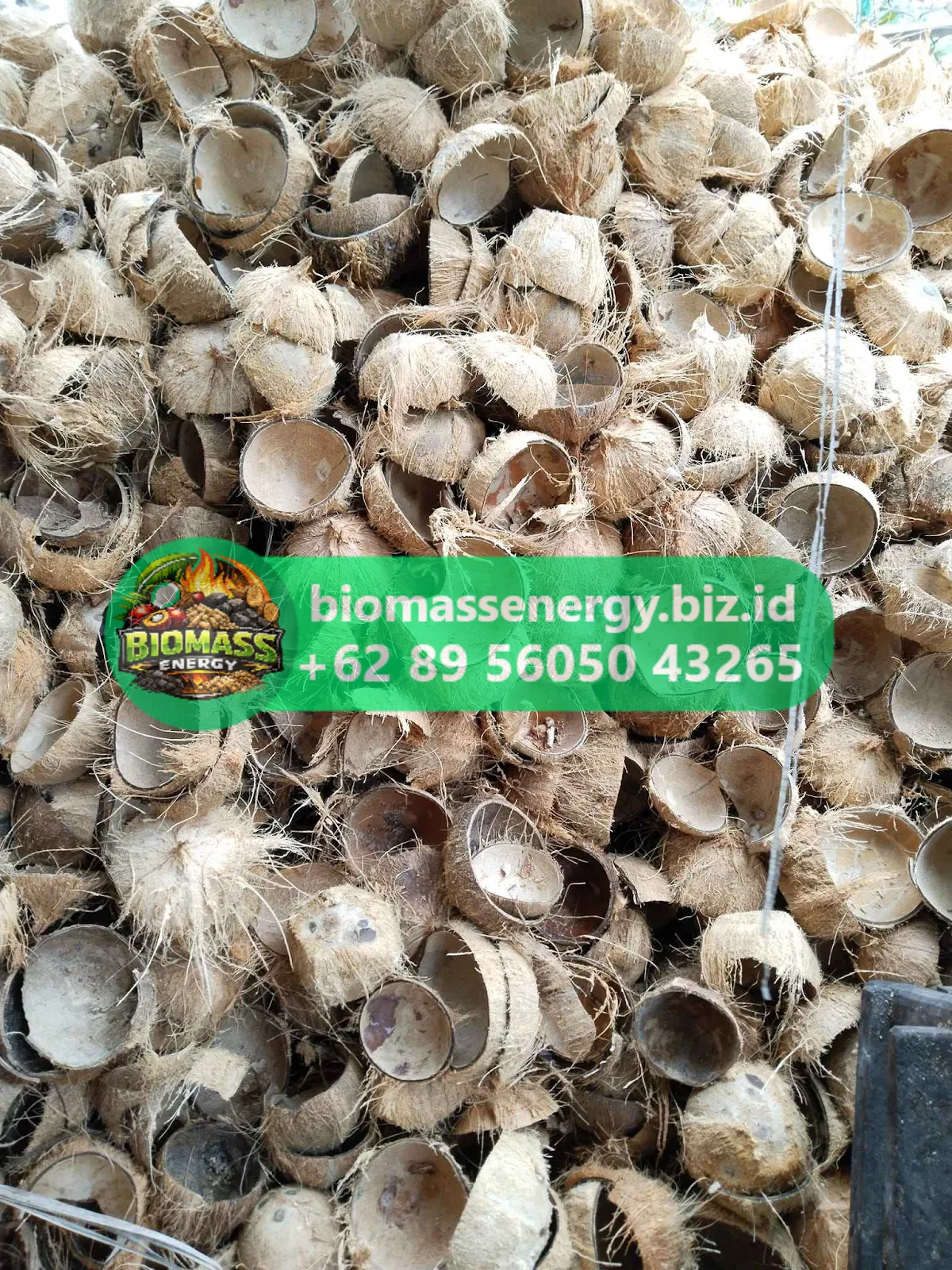
| Shell Size / Sizing | Whole, Halved, or Crushed (2cm - 5cm avg) | Customizable sizing options to match mechanical screw or conveyor feeds. |
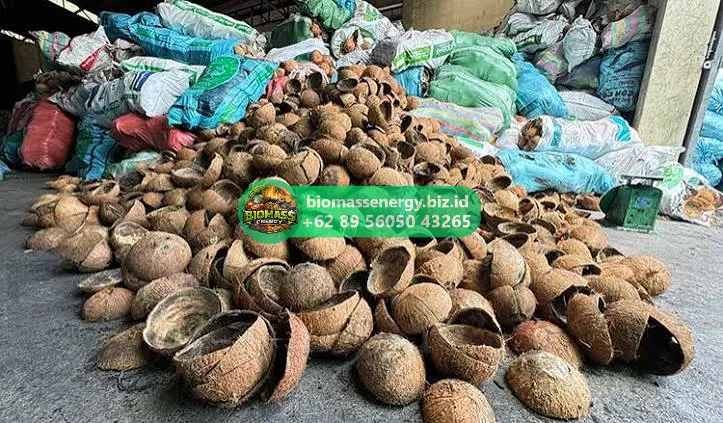
| Logistics & Packing | Bulk in 40ft Containers / Jumbo Bags | Optimized container loading volume for international sea freight export. |
Product Image Gallery
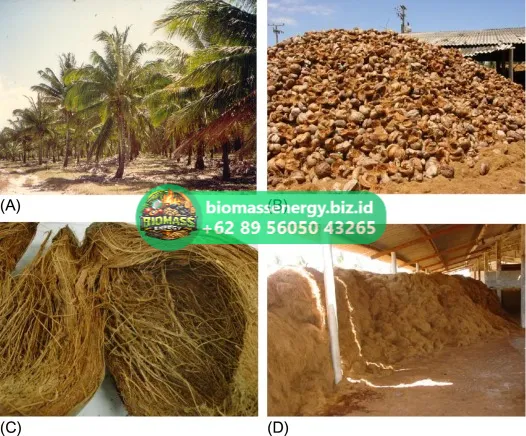
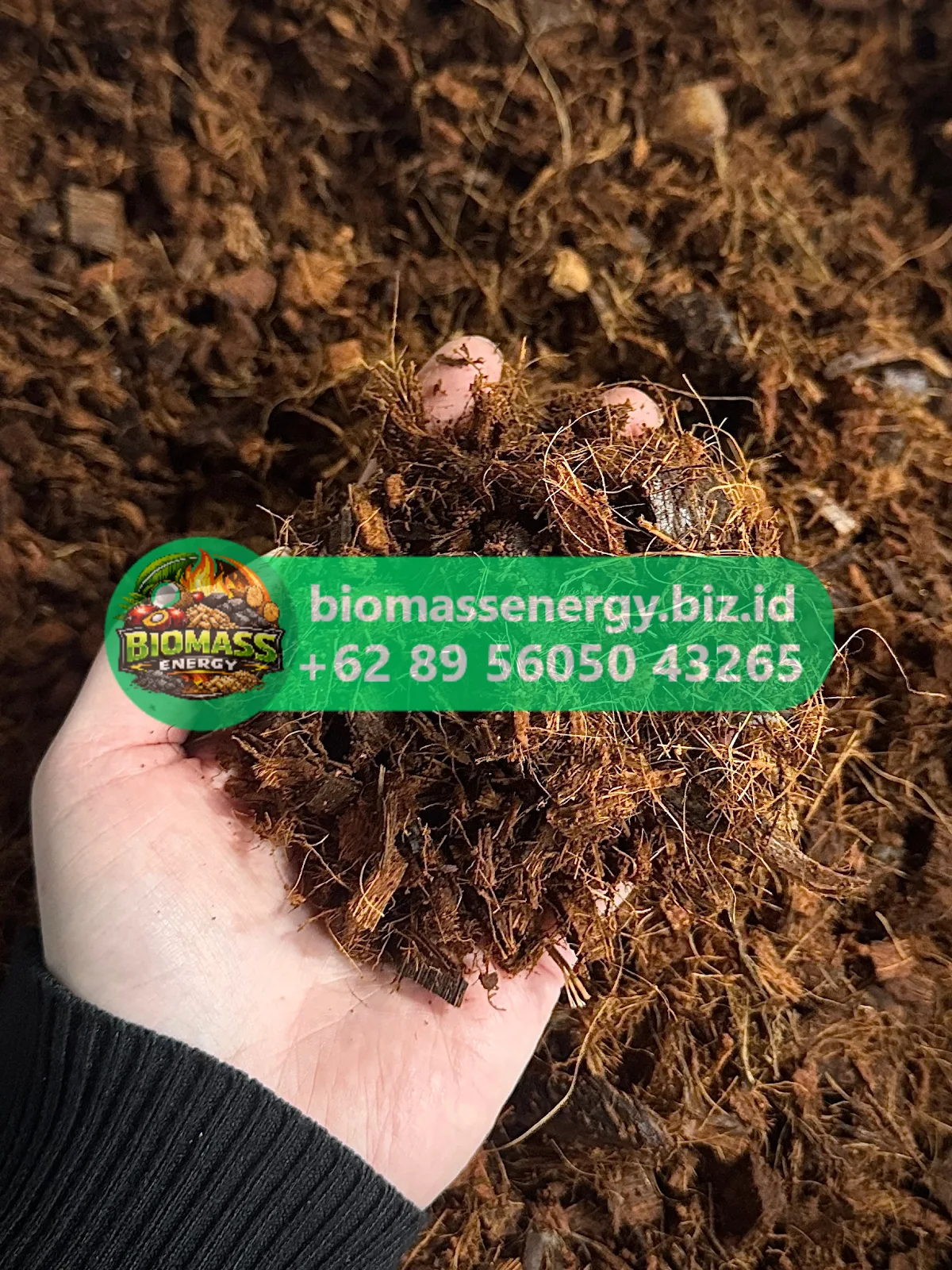
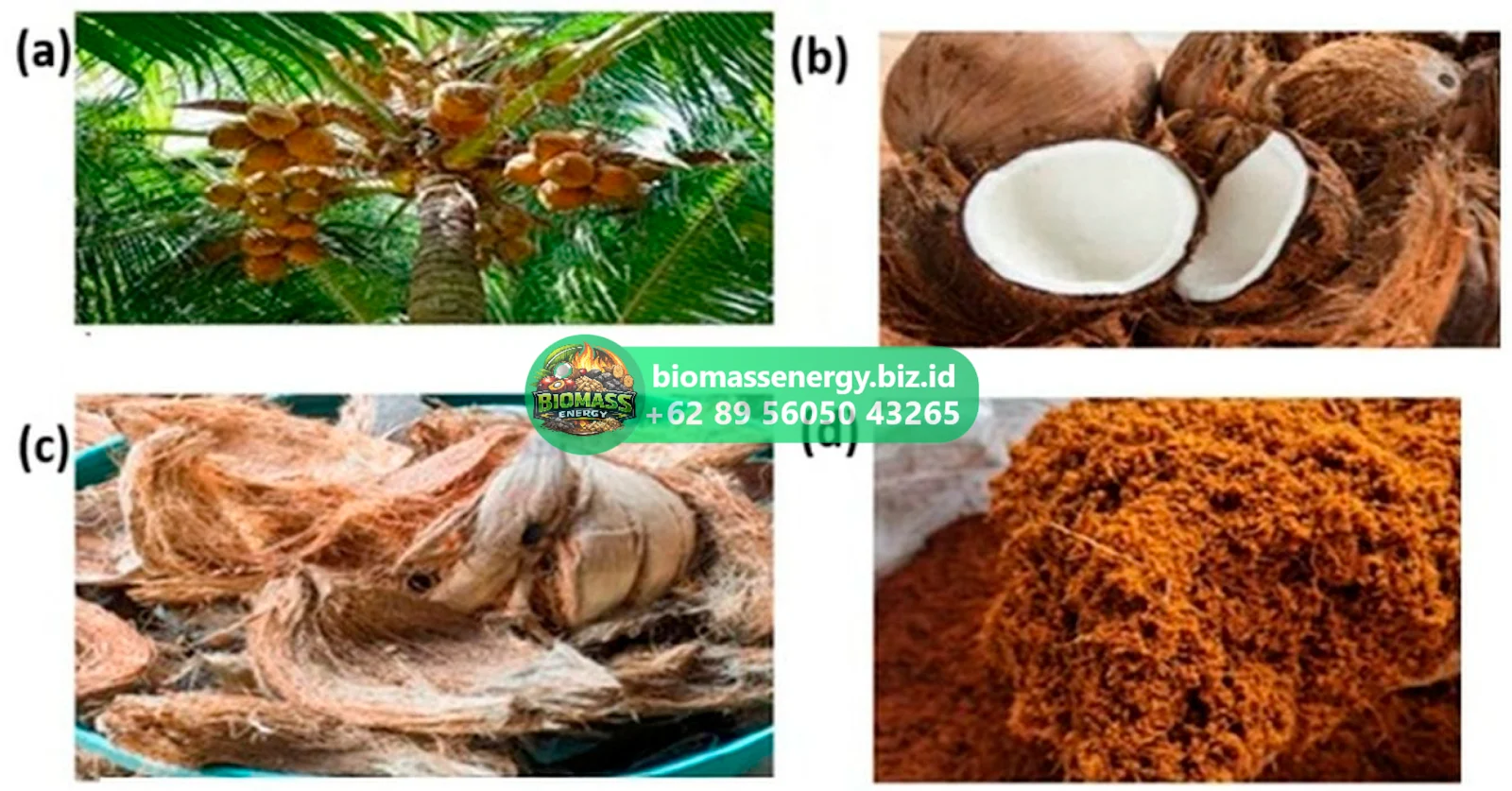
Visual overview of our raw coconut charcoal production, lab testing, and export packaging.
Frequently Asked Questions: Raw Coconut Shells
Key technical answers for procurement managers and factory operators.
Raw coconut shells are the natural, unheated, fibrous woody endocarps straight from the fruit. Raw coconut charcoal is the resulting solid product *after* those shells have undergone low-oxygen thermal carbonization (pyrolysis) in a kiln.
Our raw coconut shells undergo mechanical and manual sorting to completely strip away outer husk fibers, pith, and adhering dirt, ensuring clean handling and preventing extraneous mineral ash contamination in your carbonization reactors.
The shells are naturally sun-dried to keep moisture levels reliably between 10% and 15%. They are loaded into dry, well-ventilated shipping containers to prevent condensation and biological degradation during ocean freight.
Yes. Depending on whether your facility utilizes a rotary kiln, vertical retort, or automatic conveyor feeding system, we can supply whole shells, natural halves, or mechanically crushed shell fractions.
Typically, raw coconut shells are shipped in 40ft High Cube containers. Depending on whether they are packed loosely or in jumbo bags, a standard 40ft container accommodates approximately 20 to 24 metric tons net weight.